Books & Ideas is the English-language mirror website of La Vie des Idées, a free online journal which has gained a large readership and established itself in France as a major place for intellectual debate since 2007.
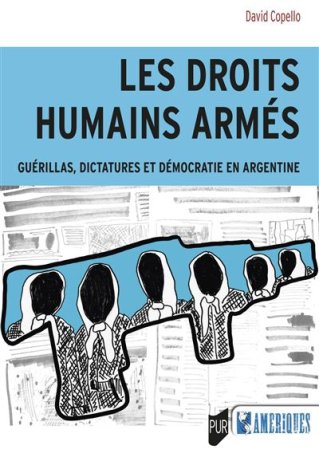
Can the defense of human rights be reconciled with guerilla warfare? David Copello offers an in-depth reinterpretation of the history of these complex struggles that have shaken Argentine society to its core.
Jeanne Tsai and Batja Mesquita show how emotions are shaped by cultural logics that orient our relationships and judgments. Their conversation raises a broader question: what does it mean to understand others in culturally plural societies?
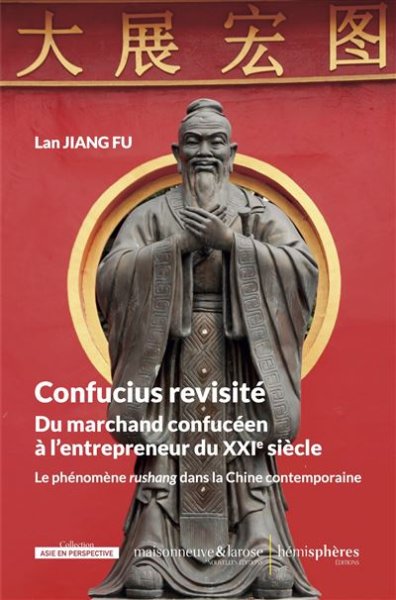
At a time when Chinese capitalism is in search of an ethic, entrepreneurs are reinventing the old Confucian merchant.
What effects have economic rationalization had on public services? Nadège Vezinat presents a nuanced picture of how institutional dynamics weaken the welfare state’s bureaucracy, agents, and the rights of beneficiaries.
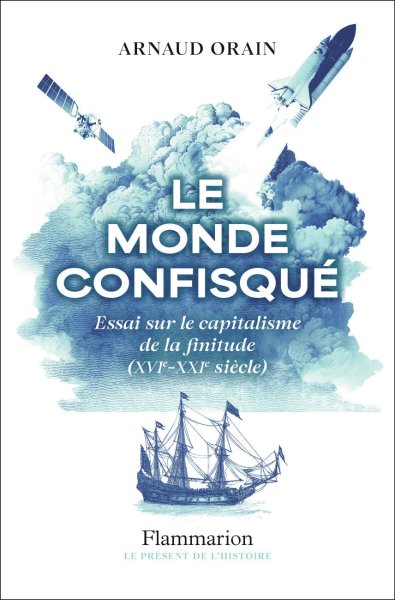
About: Arnaud Orain, Le Monde confisqué. Essai sur le capitalisme de la finitude, Flammarion
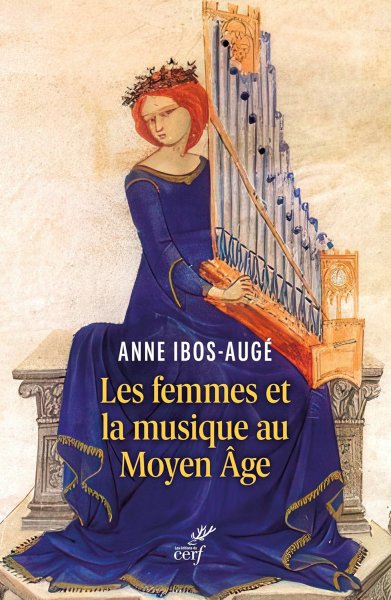
About: Anne Ibos-Augé, Les femmes et la musique au Moyen Âge, éditions du Cerf
About: Éric Dacheux et Daniel Goujon, Théorie délibérative des valeurs, Presses universitaires de Provence
The female silhouette – understood as the body’s visible form and socially perceived appearance – has long been shaped by social norms. In the age of social media, these norms are intensifying, prompting, in response, the rise of so-called “body-positive” movements.
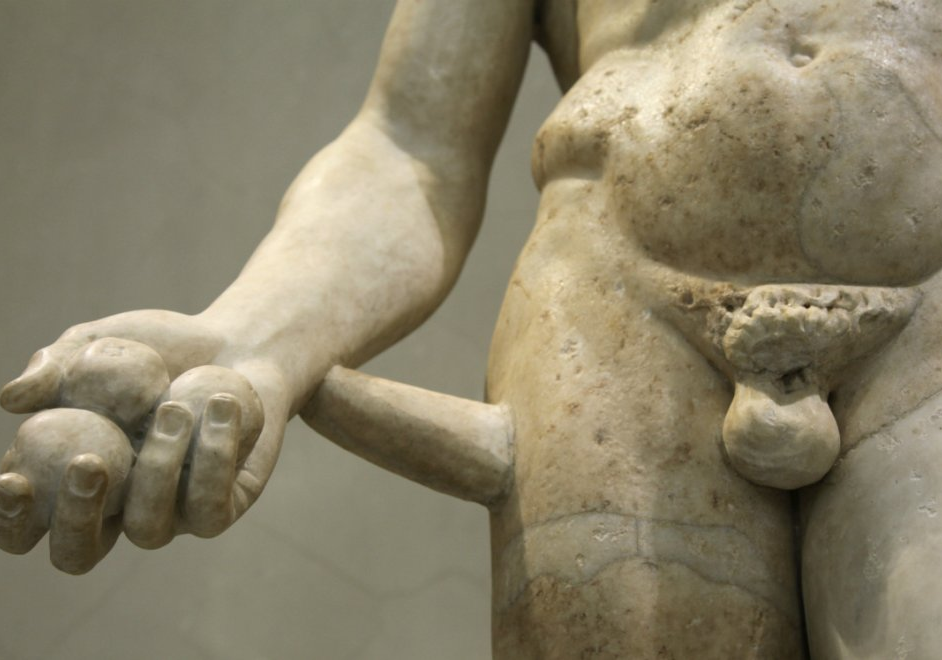
A rumour is circulating in some African countries: the French state is organising penis thefts to offset declining fertility. The rumour, spread by Russian propaganda, has become fake news.
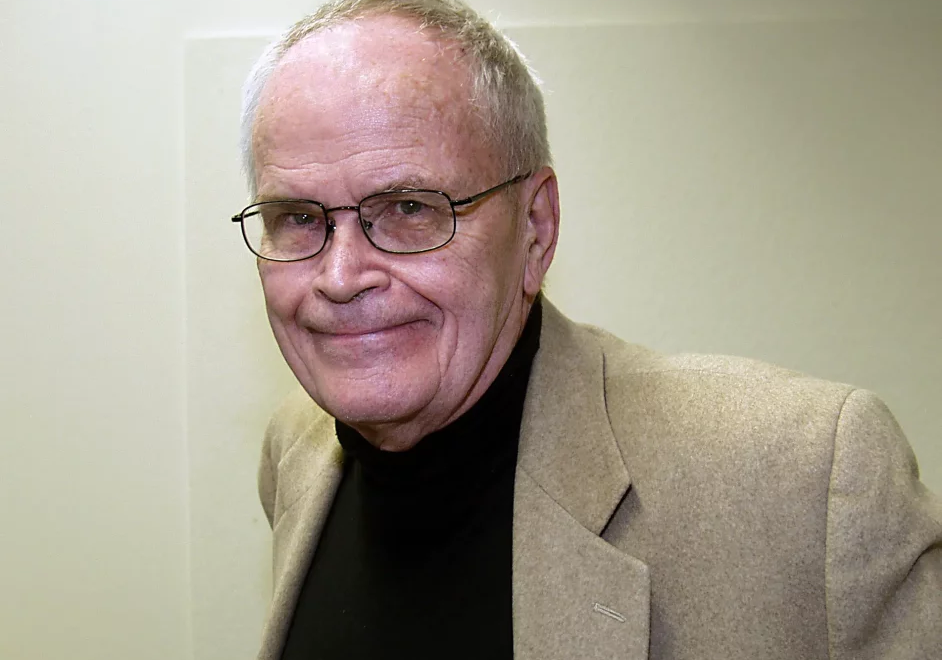
The American sociologist Harrison White made a vital contribution to the development of social network analysis. Besides his work in this field, his theoretical synthesis and his understanding of social formations have influenced a variety of fields such as the sociology of art and economic sociology.
Books & Ideas is going on holiday for the summer, and will resume its publication schedule in September. In the meantime, we present you with a weekly roundup of our most recent essays and reviews. Economic inequalities have been at the forefront of intellectual debate this year with the publication of Thomas Piketty’s Capital in the Twenty-First Century. Our third selection of articles brings an international perspective on the issue, with a sociological and historical outlook.
Food is now a conspicuous topic, from culinary blogs to magazines, diet books, TV shows and contests. Yet unbeknownst to many, it often holds an underground, clandestine place in some of social science’s major works. This dossier assesses the current importance of such scholarly endeavors, known as “food studies” in the United States.
Books & Ideas is slowing down for the summer and will resume its publication schedule on August 26. In the meantime, we present to you a weekly selection of essays and reviews published over the past year.
Leading 19th century statesman, political economist, architect of the 1860 commercial treaty between France and the United Kingdom, and campaigner for peace between European nations, Michel Chevalier had also been a dominant voice in the Romantic socialism of Saint-Simonianism: the eclectic nature of his thought would lend itself to a particular vision of Europe, forerunner of today’s European Union.
How do scientific discoveries and progress come about? Against an idealist and triumphalist conception of the history of science, Simon Schaffer’s oeuvre examines science in the making, in close proximity to its practices and actors. Far from diminishing its prestige, this approach restores science to the central place it occupied in Old Regime societies.
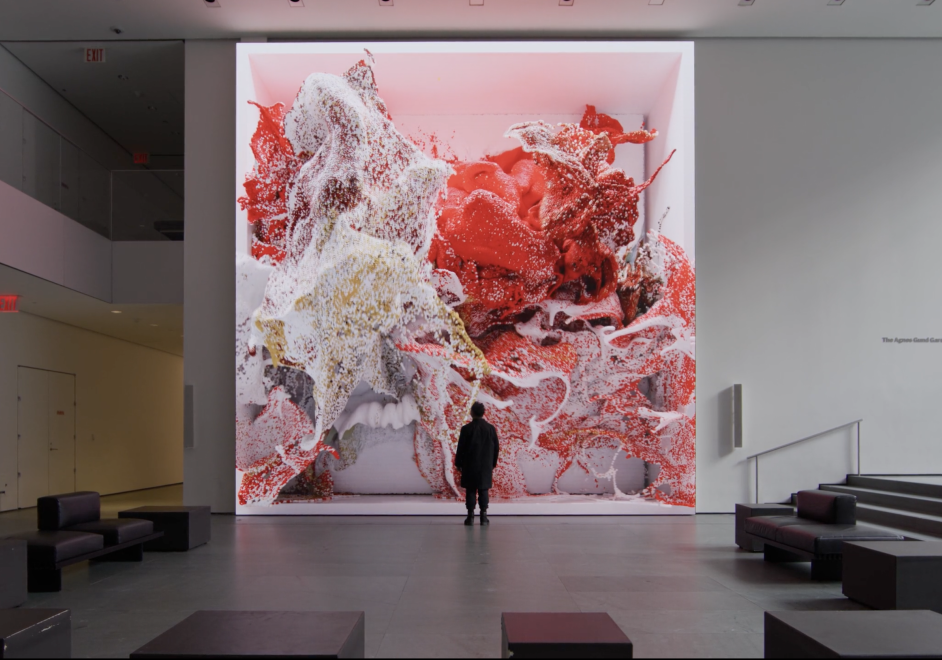
Et pourquoi l’usage de l’IA générative serait-elle incompatible avec la création artistique ? Il y a pourtant longtemps que la notion d’auteur, seul maître à bord de son oeuvre, a fait l’objet de contestation.
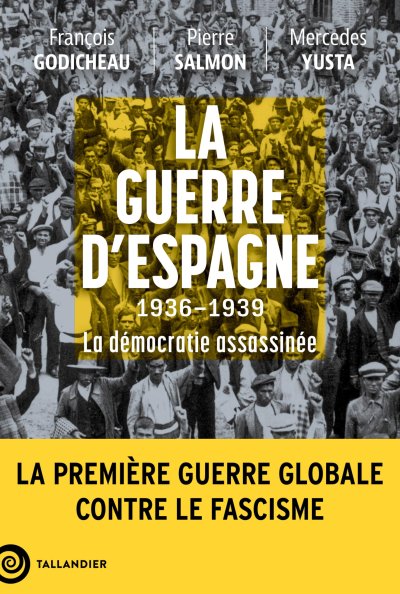
Longtemps marquée par le franquisme, l’histoire de la guerre d’Espagne se renouvelle aujourd’hui, nourrie par les expériences vécues. En mettant en évidence les dynamiques de fascisation et d’internationalisation, peut-on déplacer le regard vers un nouveau récit du conflit ?
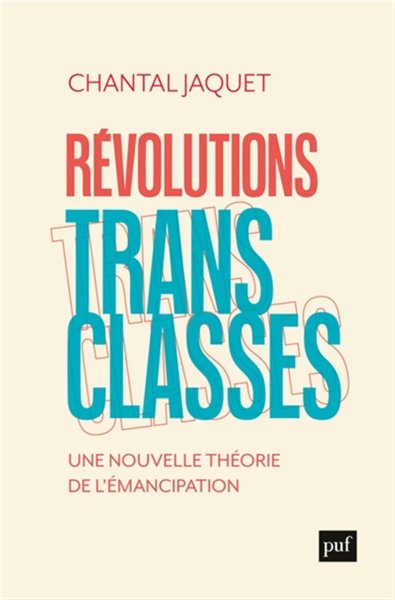
Comment le passage d’une classe à l’autre, longtemps pensé comme une aventure individuelle, peut-il devenir un levier d’émancipation collective ? C. Jaquet reprend, à partir de Marx et de Spinoza, la question de l’abolition des classes.
À propos de : Stefan C. Aykut et Amy Dahan, La mutation climatique, Presses de Sciences Po
À propos de : Zoé Grumberg, Militer en minorité ? Le « secteur juif » du Parti communiste français après la Libération, PUR
À propos de : Gabrielle Radica, La famille des classiques, ENS Éditions